0405 004 957info@adelaiderenos.com.au
Unit 29 Level 12/720
Anzac Hwy, Glenelg SA 5045
Anzac Hwy, Glenelg SA 5045
BLD 323576 / PGE 323605





Renovating an older home can be incredibly rewarding. There’s something special about working with character, history, and materials that have stood the test of time. But when it’s time to update or extend, the real challenge is in the transition. You want the new space to feel fresh and functional, without losing the soul of what came before.
Some of the most successful renovations find a way to honour that character while quietly modernising how the space works. It’s not about making the old look new, or the new look old, but about blending both so the whole home feels cohesive, calm, and considered.
Here’s how that balance is achieved, and what to think about when updating your own home.
Before you make any design choices, take a moment to look around your existing home. What do you love most about it? Is it the wide hallways, the ornate ceilings, or the way the light falls in the afternoon?
In one Hyde Park project, the owners told us their favourite feature was the original archway in the hallway. It was simple but meaningful. So we echoed that soft curve in new cabinetry, bathroom mirrors, and even a custom shower screen. Just that one shape helped tie everything together.
Small gestures like this create visual continuity. It’s not about matching everything, it’s about repeating shapes, materials, and tones that feel familiar throughout the space.
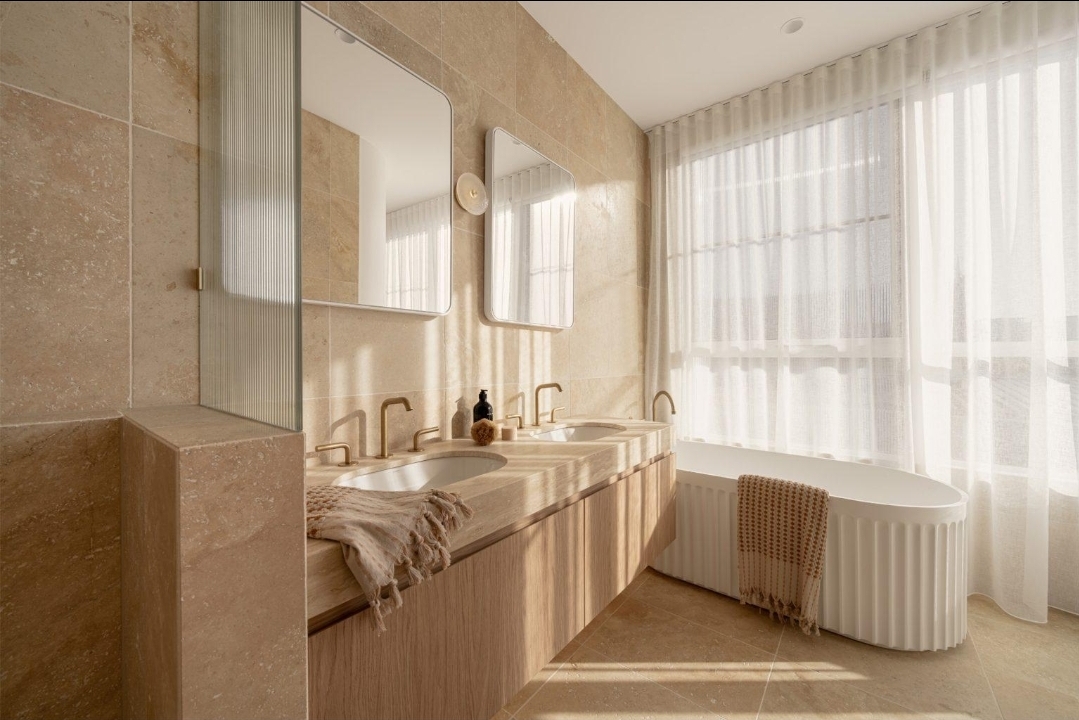
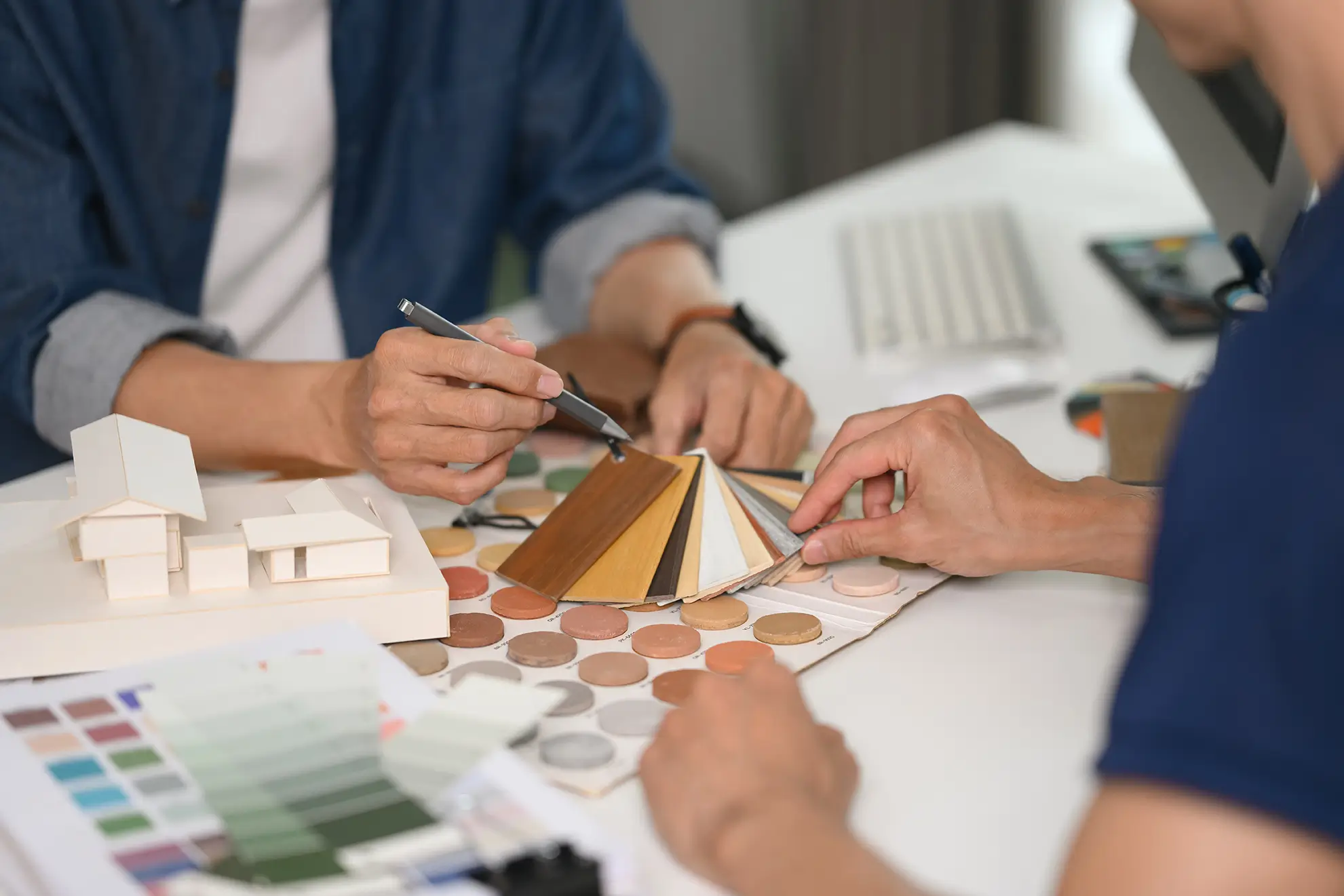
One of the simplest ways to connect old and new is through thoughtful material choices. You don’t need to copy the original style exactly, but you do want a natural flow between spaces.
Here are a few approaches that work well:
Every home tells a story. Instead of tearing everything out, look for opportunities to enhance the existing layout.
In a recent project, the owners were tempted to open everything up, but doing so would have removed the original fireplace and some key structural elements. We found a middle ground, creating a semi-open plan kitchen and dining area that still respected the proportions of the home. The result felt considered, not forced.
Modern homes can sometimes feel too open or too uniform. A character home gives you natural variation, nooks, and transitions. Use those to your advantage.
Heritage homes tend to have smaller windows and more enclosed rooms. New builds lean towards open spaces and big glass. If you’re blending both, be mindful of how the light behaves.
We often use:
One client wanted their extension to feel like an “evening space,” so we added soft dimmable lighting and timber wall cladding that glowed at sunset. It felt like an extension of the old home, not an add-on.
Where old meets new is where things often go wrong. Flooring changes, ceiling heights shift, and suddenly it feels like two different houses stuck together.
We handle this by softening the transitions:
Sometimes it’s as simple as a consistent skirting board profile, or running the same paint colour through both spaces. It doesn’t have to be complicated to work.
Many clients renovating heritage homes want to future-proof the space, especially if they plan to stay for the long term. That could mean wider doorways, step-free showers, or better insulation.
You can still do this without compromising on character.
We recently completed an NDIS renovation in a character home that included both accessibility and heritage considerations. The bathroom had modern grab rails and open access, but we used handmade-look tiles and a timber vanity that tied in with the home’s original palette. It worked beautifully because every decision was made with intention.
A home is more than its architectural style. It’s the memories, the routines, and the little things that bring it to life.
If you grew up in a house with terrazzo floors, maybe that texture will feel nostalgic. If your family gathers around the table every Sunday, then that dining space deserves special attention.
Modernising an older home isn’t just about what you add, it’s about what you choose to keep and carry forward. Your renovation can respect the home’s history while still feeling like a fresh chapter.
If you’re planning a renovation in a heritage or character home, we’d love to help you bring it together.
We specialise in crafting thoughtful spaces that feel both timeless and modern. Whether it’s a new kitchen in a sandstone villa, or an extension that finally makes your home work for your family, we take care of every detail so it feels just right.
Let’s talk about your vision and make it feel like home.